The Project
Origins of Creativity is a project based at Princeton University. We publish cutting-edge research, curate events, and offer courses at the graduate and undergraduate levels.
Our work explores the biocultural evolution of creativity, particularly practices and capacities associated with music.
Many animals produce vocalizations that sound like songs to our human ears, and comparing animals as different as birds and whales, for example, reveals that both produce “songs” that are very similar in their elaborate, highly-structured patterns. Considering the vastly different evolutionary histories of birds and whales, the isomorphism is surprising.
How does this isomorphism come to be, and what does it mean?
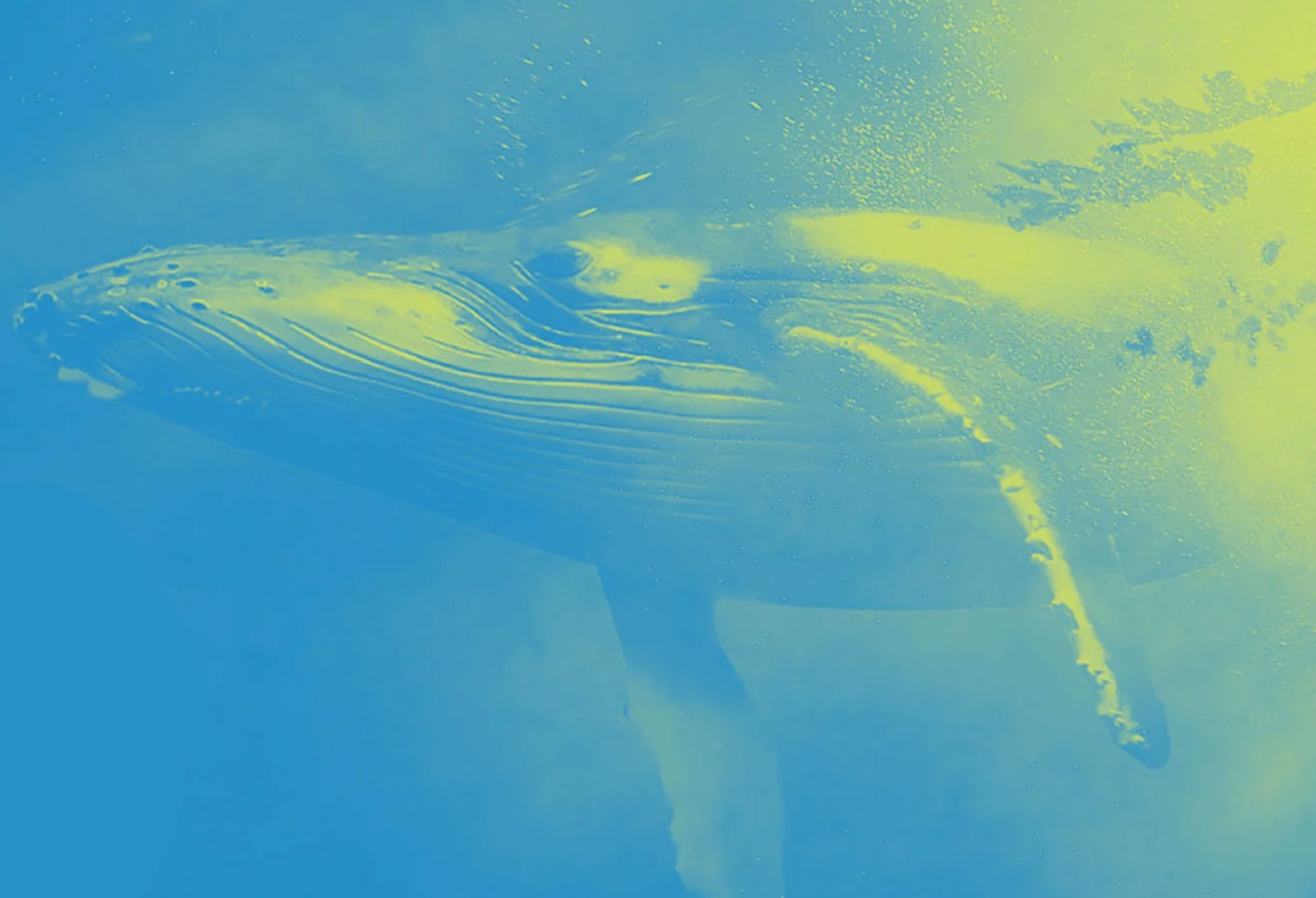
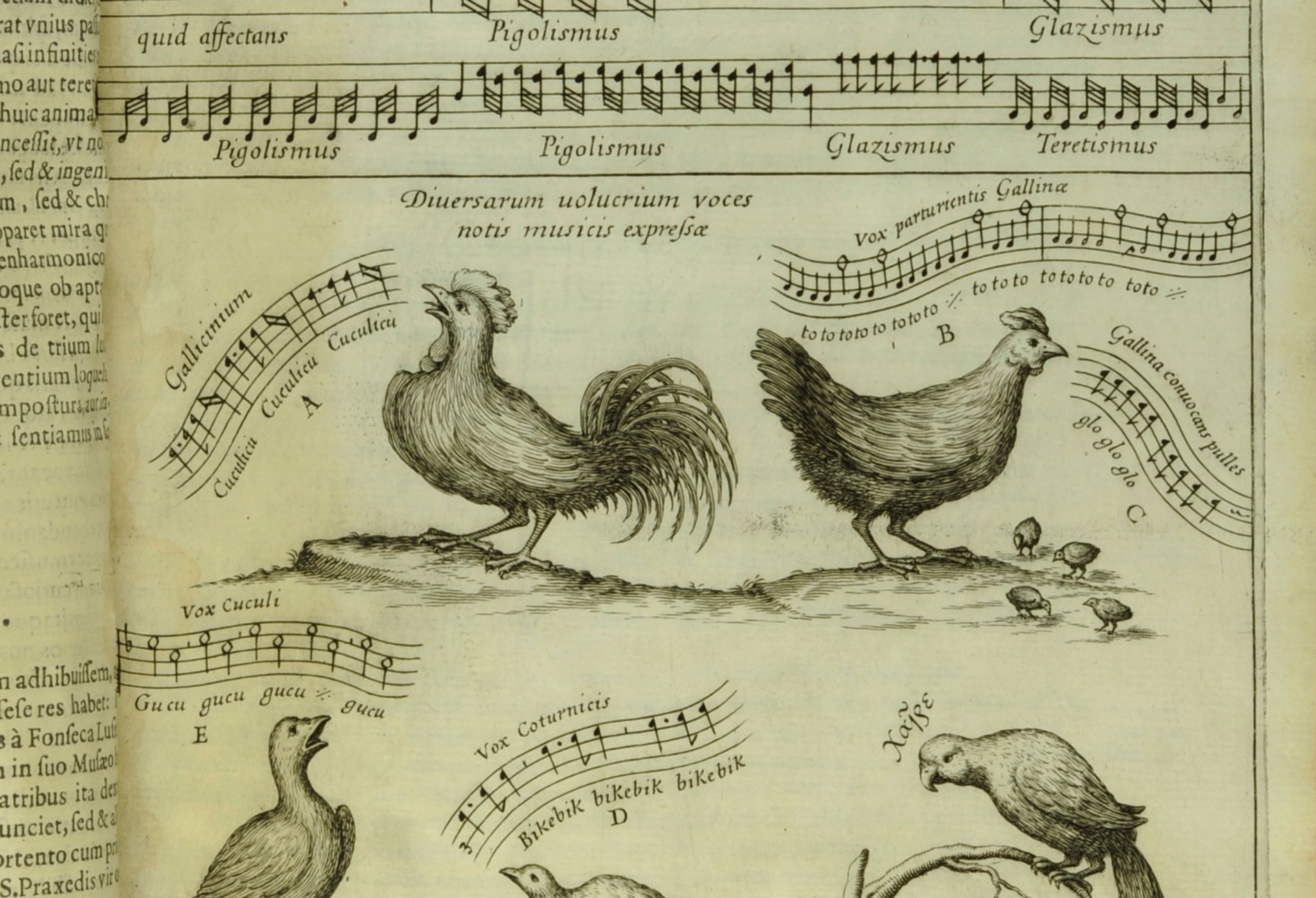

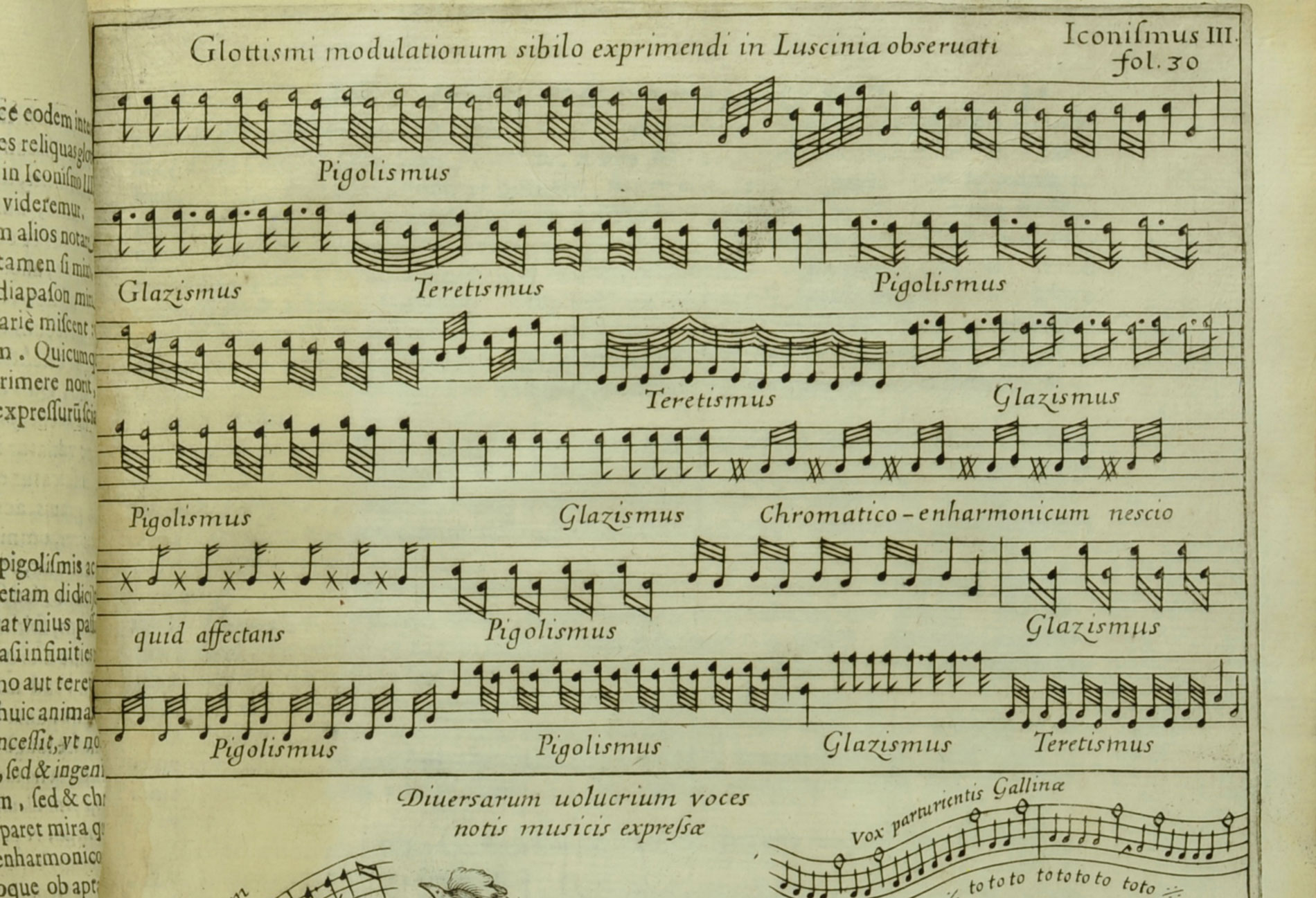
We began the project by bringing together humanists and scientists to explore the idea of “animal song” from a cross-disciplinary and collaborative perspective. Animal song is an important topic because it harbors profound information about the history of life—by examining animal song, we stand to gain a better understanding of everything from social synchronization and linguistic turn-taking to (bio)semiotics.
Since establishing the project, we have broadened our research to include creativity in its various forms. In all our endeavors, we seek to overcome the reductivism of much scientific research, on the one hand, and the anti-realism of much humanities research, on the other.